
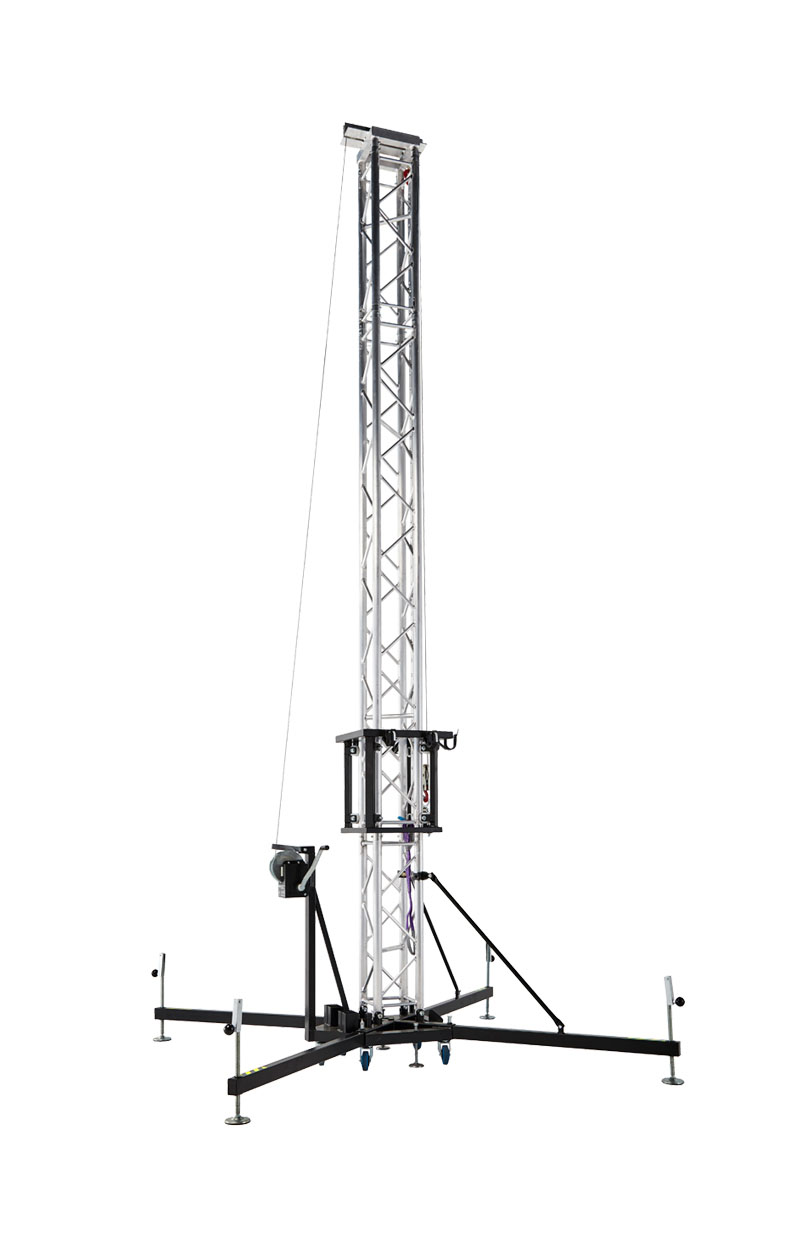
Exploring the Versatility of Aluminum Structures in Modern Construction
Aluminum structures have become a staple in the construction industry, offering unparalleled advantages in terms of durability, sustainability, and design flexibility. From skyscrapers in bustling cities like New York and Toronto to innovative bridges in London, aluminum is reshaping how we build and live. In the first hundred words, it’s essential to note that aluminum structures are not only lightweight but also resistant to corrosion, making them ideal for various environments. As architecture evolves to meet the demands of modern life, aluminum’s role becomes increasingly significant, offering solutions that traditional materials simply cannot match.
The Advantages of Aluminum in Construction
Lightweight Yet Strong
- Aluminum’s weight is only about one-third that of steel, making it easier to transport and install.
- Despite its lightness, it offers impressive strength, supporting substantial loads and stresses.
Corrosion Resistance
- Aluminum naturally forms a protective oxide layer, preventing rust and corrosion.
- This property extends the lifespan of structures, reducing maintenance costs over time.
Sustainability and Recycling
- Aluminum is 100% recyclable without degradation of its properties.
- Using recycled aluminum saves up to 95% of the energy needed to produce new aluminum.
Applications of Aluminum Structures
Architectural Landmarks
- Iconic buildings like The Shard in London utilize aluminum for their façade and structural components.
- Aluminum allows for creative and intricate designs, enhancing aesthetic appeal.
Transportation Infrastructure
- Aluminum is used in bridges, offering a balance of strength and lightness crucial for spanning long distances.
- Its resistance to weather conditions makes it ideal for outdoor structures.
Residential and Commercial Buildings
- Aluminum frames in windows and doors provide excellent thermal insulation and security.
- It supports innovative designs in both residential and commercial properties.
Challenges in Using Aluminum Structures
Cost Considerations
- Initial costs can be higher compared to other materials, like steel or wood.
- However, the long-term savings on maintenance and energy can offset these costs.
Thermal Conductivity
- Aluminum’s high thermal conductivity requires careful design to prevent heat loss.
- Innovative insulation techniques are often employed to manage this challenge.
Specialized Skills for Construction
- Working with aluminum requires specific skills and knowledge not always available in all regions.
- Training and development in aluminum construction techniques are essential.
Innovations in Aluminum Construction
Advancements in Alloy Technology
- New aluminum alloys are being developed, offering even greater strength and flexibility.
- These advancements enable more daring architectural designs and applications.
3D Printing and Modular Construction
- 3D printing with aluminum allows for precise, cost-effective production of complex components.
- Modular construction techniques using aluminum reduce construction time and waste.
Smart Buildings
- Aluminum is increasingly used in smart buildings for its conductive properties, supporting advanced technologies.
- It integrates well with other materials to enhance building performance and efficiency.
Environmental Impact of Aluminum Structures
Carbon Footprint Reduction
- Aluminum production and recycling contribute to reduced carbon emissions, supporting green building initiatives.
- Its lightweight nature also reduces transportation emissions.
Energy Efficiency
- Aluminum structures often incorporate energy-saving features, such as reflective roofs and insulated panels.
- These features contribute to lower operational energy costs.
LEED Certification and Green Building
- Aluminum is a preferred material for achieving LEED certification due to its sustainability credentials.
- Its use supports the creation of eco-friendly and sustainable structures.
As we transition to a more sustainable future, aluminum structures play a pivotal role in reducing environmental impact while offering innovative solutions for modern construction. Their adaptability to various architectural styles and building requirements makes them a key component in the evolution of the built environment.
Frequently Asked Questions About Aluminum Structures
Why is aluminum preferred in construction?
Aluminum is favored for its lightweight nature, strength, and resistance to corrosion. These properties make it ideal for a wide range of applications, from high-rise buildings to bridges.
Are aluminum structures more expensive than steel?
While the initial cost of aluminum can be higher than steel, its long-term benefits, such as reduced maintenance and energy efficiency, often result in overall savings.
How does aluminum impact the environment?
Aluminum is highly sustainable, being fully recyclable and reducing carbon emissions. Its use in construction supports green building practices and energy-efficient designs.
Conclusion
Aluminum structures are revolutionizing the construction industry across Canada, the United States, and the United Kingdom. Their unique properties of strength, sustainability, and versatility make them indispensable in modern architecture and engineering. As we move towards more sustainable building practices, the role of aluminum continues to expand, offering solutions that address both current construction challenges and future needs. Embracing aluminum in construction not only enhances design possibilities but also contributes to a more sustainable and resilient built environment.