Truss rigging is an indispensable technique in the realm of event planning and audiovisual productions. It provides a robust and versatile framework for supporting lighting, sound, and visual effects equipment. Understanding the intricacies of truss rigging can significantly enhance the impact and safety of your events. In this article, we delve into what truss rigging entails, its importance in the industry, and how it can transform your event productions.
Understanding Truss Rigging
What is Truss Rigging?
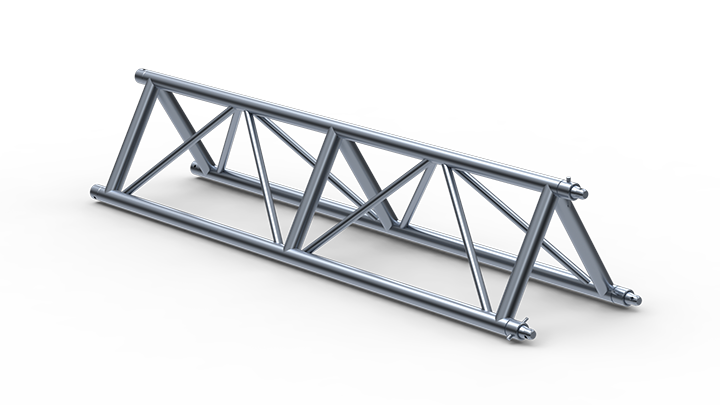
Truss rigging involves the use of lightweight yet sturdy metal structures designed to form a stable support system. These structures are essential in events for suspending lighting rigs, LED screens, speakers, and more. The modular design allows for tailored configurations to meet the specific requirements of each event.
Benefits of Truss Rigging
The primary advantage of truss rigging is its ability to facilitate rapid and efficient installations. This is particularly crucial in time-sensitive events. Additionally, truss structures can handle substantial loads without compromising safety, making them a preferred choice among event organizers worldwide.
The Role of Support Structures in Audiovisual Events
Ensuring Safety and Stability
Support structures are vital for ensuring the safety and success of an event. They provide the necessary stability to mount heavy equipment at significant heights, ensuring even weight distribution and minimizing accident risks.
Design Flexibility
- Allows for aesthetically appealing setups
- Adapts to various event spaces and themes
- Enhances audience experience with strategic equipment placement
Key Components of Truss Rigging
Truss Structures
Made from aluminum or steel, truss structures offer an excellent strength-to-weight ratio. Aluminum is particularly favored for its lightness, facilitating easier transport and assembly. Steel is chosen for situations requiring higher structural integrity, such as outdoor events.
Lifting Systems
- Towers and hoists for lifting and positioning
- Modern systems with remote control and load sensors
- Critical for maintaining equipment safety throughout events
Connection Accessories
Connection accessories, including connectors, clamps, and bolts, are crucial for securing various parts of the structure. High-quality accessories ensure a secure installation, impacting the structure’s stability and safety directly.
Practical Applications in Event Productions
Lighting and Visual Effects
Truss rigging supports dynamic lighting setups and visual effects, enriching the audience’s visual experience. It allows for creative lighting designs that can transform any venue.
Sound Equipment Support
- Ensures optimal sound distribution
- Supports heavy speakers and sound systems
- Enhances audio clarity and reach
Choosing the Right Truss Rigging System
Assessing Event Needs
Before selecting a truss system, it’s crucial to assess the specific needs of the event, including venue size, equipment weight, and desired configuration.
Safety Considerations
Implementing safety measures is paramount. This includes using certified components, conducting thorough inspections, and ensuring all systems are properly secured and balanced.
As we transition to discussing frequently asked questions, understanding these core aspects of truss rigging will help you make informed decisions for your event setups, ensuring both safety and a memorable experience for attendees.
What is the primary purpose of truss rigging in events?
The primary purpose is to provide a stable and versatile support system for various equipment, ensuring safety and enhancing the visual and auditory experience.
How does truss rigging improve event safety?
It offers stable mounting for heavy equipment, ensuring even weight distribution and minimizing the risk of accidents during events.
Can truss rigging be customized for different events?
Yes, its modular design allows for custom configurations tailored to the specific needs and themes of different events.
Conclusion
Truss rigging is a cornerstone of successful event productions, offering unmatched flexibility, safety, and aesthetic potential. By understanding its components and applications, event planners can create impactful and secure environments that captivate audiences and enhance overall experiences.