
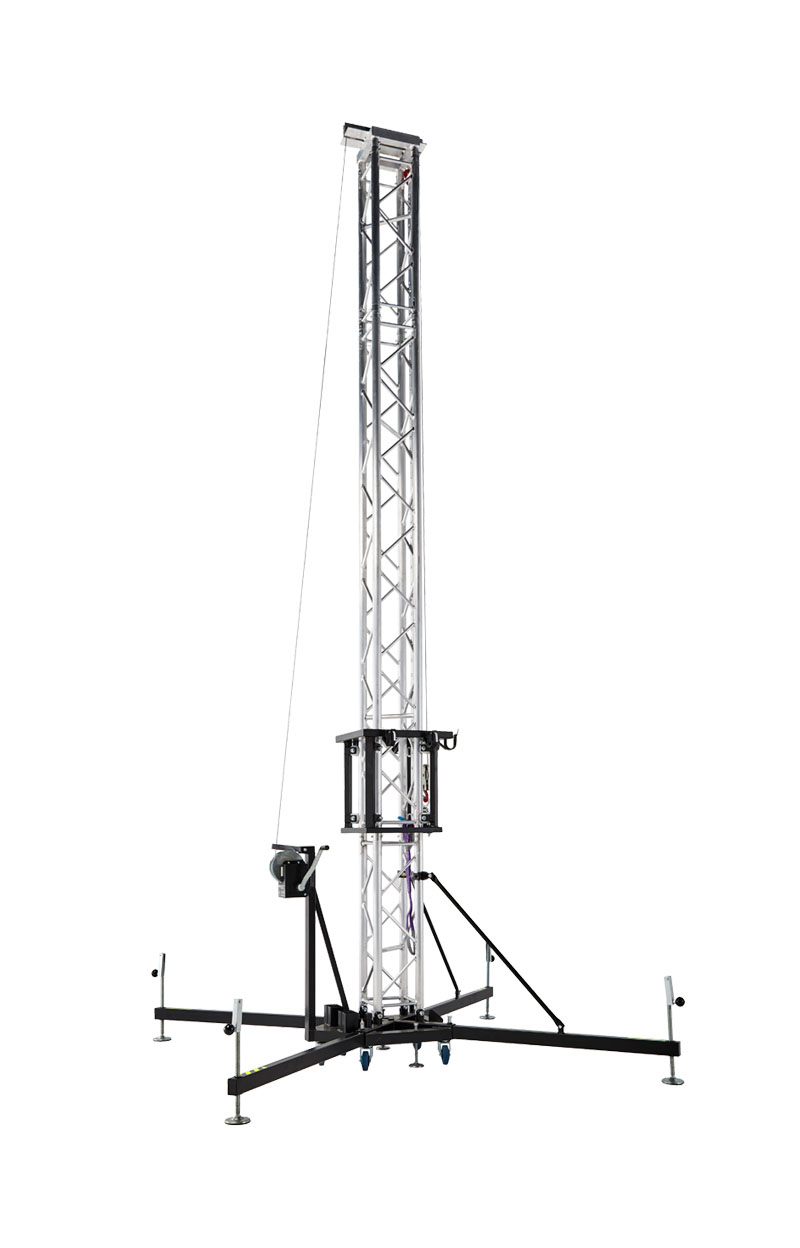
The Benefits and Versatility of Aluminum Structures
Aluminum structures have become increasingly popular in construction projects across the United States, United Kingdom, and Canada. Known for their lightweight nature and durability, aluminum structures offer a unique combination of strength and flexibility that make them ideal for various applications. In this article, we explore the benefits of using aluminum structures in construction, examining their versatility and why they are favored by architects and builders alike.
Lightweight Yet Strong
Why Weight Matters in Construction
The lightweight nature of aluminum makes it a preferred choice for construction projects that require strength without the added weight. This characteristic is particularly beneficial in the construction of bridges and high-rise buildings, where reducing the structural load is crucial.
Strength of Aluminum Structures
Despite its lightweight properties, aluminum does not compromise on strength. It offers excellent resistance to weather and corrosion, ensuring the longevity and stability of the structures it supports. This makes aluminum ideal for projects in areas with harsh weather conditions.
Comparative Advantages
- Reduces transportation costs due to lighter weight
- Facilitates quicker and safer construction processes
- Enables creative architectural designs
Durability and Longevity
Corrosion Resistance
Aluminum structures are highly resistant to corrosion, which significantly extends their lifespan compared to other materials. This resistance is particularly advantageous in coastal areas where saltwater can accelerate corrosion in other metals.
Weather Resilience
Aluminum can withstand extreme weather conditions without losing its structural integrity. This makes it a reliable material for outdoor structures exposed to varying weather elements.
Maintenance Benefits
- Minimal maintenance required due to corrosion resistance
- Long-term cost savings from reduced repair needs
- Maintains aesthetic appeal over time
Eco-Friendly Properties
Recyclability of Aluminum
Aluminum is one of the most recyclable materials, making it an environmentally friendly choice for construction. Recycling aluminum requires only a fraction of the energy compared to producing new aluminum, reducing the carbon footprint of construction projects.
Energy Efficiency
The production process of aluminum has become increasingly energy-efficient, further enhancing its appeal as a sustainable building material. Utilizing aluminum in construction contributes to greener building practices.
Environmental Impact
- Reduces environmental waste through recycling
- Contributes to sustainable building certifications
- Supports eco-friendly construction initiatives
Versatility in Design
Architectural Flexibility
Aluminum’s malleability allows architects to explore innovative designs that would be challenging with other materials. This flexibility enables the creation of unique and modern structures that stand out in urban landscapes.
Application Across Sectors
From commercial buildings to residential projects, aluminum structures are utilized in various sectors. Their adaptability makes them suitable for a wide range of architectural styles and functions.
Customization Options
- Available in different finishes and colors
- Can be tailored to specific design requirements
- Supports complex geometrical designs
Cost-Effectiveness
Initial and Long-term Costs
The initial cost of aluminum may be higher than some other materials; however, its long-term benefits, such as reduced maintenance and longevity, offset the initial investment. This makes aluminum a cost-effective choice in the long run.
Construction Efficiency
Aluminum’s lightweight nature speeds up the construction process, reducing labor costs and project timelines. This efficiency is beneficial in both time-sensitive and budget-conscious projects.
Financial Advantages
- Lower transportation and installation costs
- Decreased maintenance and repair expenses
- Potential for increased property value
In summary, aluminum structures offer a wealth of benefits that make them a prime choice for modern construction projects. Their combination of strength, durability, and eco-friendliness, along with cost-effectiveness, positions them as a top material in the construction industry. As we transition into the FAQ section, we address common questions about aluminum structures to provide further clarity.
What makes aluminum a preferred construction material?
Aluminum is preferred for its lightweight nature, strength, and resistance to corrosion, making it ideal for various construction applications.
Are aluminum structures environmentally friendly?
Yes, aluminum is highly recyclable and energy-efficient, contributing to sustainable building practices and reducing the environmental impact of construction projects.
How does aluminum compare to steel in construction?
While both materials are strong, aluminum is significantly lighter and more resistant to corrosion, offering distinct advantages in specific applications.
Conclusion
The use of aluminum structures in construction is on the rise due to their myriad benefits. From their lightweight strength and durability to their environmental friendliness and cost-effectiveness, aluminum structures meet the demands of modern construction while paving the way for innovative architectural designs. Whether in the United States, United Kingdom, or Canada, aluminum continues to prove itself as a versatile and reliable material for the future of building. As construction practices evolve, aluminum will undoubtedly play a critical role in shaping sustainable and efficient infrastructures worldwide.
Artículos y productos relacionados
- The Comprehensive Guide to Ground Support Across Industries
- The Ultimate Guide to Truss Lifts for Construction and Events
- Discover the Power and Versatility of CM Lodestar Hoists
- Conoce a fondo nuestra torre elevadora más vendida, la TE-034
- Nuevo video funcionamiento LWS (Soporte pantalla led)
- El nuevo HDT-8